Charlote Earle: A Simple and Sweet Handwritten Font for Design Projects
In the world of design, typography plays a crucial role in shaping the visual identity of a project. Whether you're creating branding materials, social media content, or digital assets, the right font can make all the difference. Charlote Earle is a simple and sweet handwritten font that brings a unique, personal touch to any design. With its beautiful feel and elegant structure, it's becoming a popular choice among designers looking for something different from standard fonts.
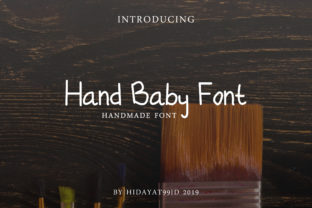
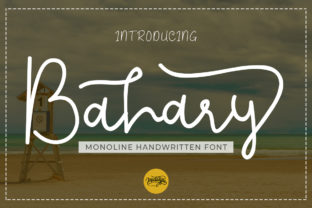
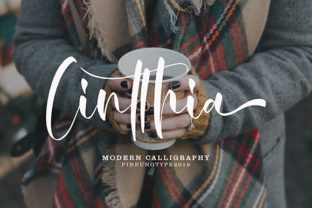
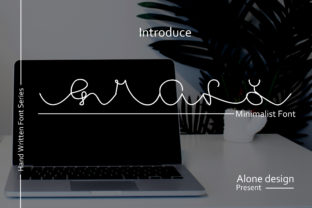
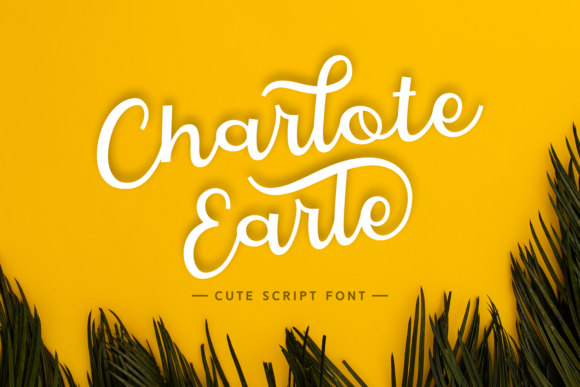
Charlote Earle is not just another font—it's an experience. It captures the essence of handwriting with a refined and approachable style. The font is designed to be easy to read while still maintaining a handcrafted charm. This makes it ideal for a wide range of applications, from invitations and greeting cards to website headers and social media posts.
Why Choose Charlote Earle?
Designers often face the challenge of finding a font that is both visually appealing and functional. Many go for sans-serif or serif fonts that are easy to read but lack personality. Charlote Earle bridges this gap by offering a handwritten look without sacrificing readability. Its soft curves and gentle strokes give it a warm and friendly vibe, making it perfect for projects that aim to convey emotion and connection.
One of the key benefits of using Charlote Earle is its versatility. It works well across various mediums, including print and digital formats. Whether you're designing a logo, a poster, or a website, the font adapts seamlessly to your needs. Its clean lines and balanced proportions ensure that it remains legible even at smaller sizes, which is essential for online use.
Challenges in Typography and How Charlote Earle Helps
Typography is more than just choosing a font—it involves understanding how text interacts with the overall design. One common challenge is ensuring that the chosen font aligns with the brand’s voice and the message being conveyed. For instance, a business aiming for professionalism might find traditional serif fonts more suitable, while a creative startup may prefer something more playful and artistic.
This is where Charlote Earle shines. It offers a balance between elegance and approachability, making it suitable for a variety of contexts. If you're working on a project that requires a personal touch without compromising on clarity, Charlote Earle could be the perfect solution. Its subtle variations in letterforms add character without overwhelming the reader.
Another challenge is consistency. When using a handwritten font like Charlote Earle, it's important to maintain uniformity throughout the design. This means pairing it with complementary fonts for headings and body text, and ensuring that spacing and alignment are carefully considered. By following these best practices, you can create a cohesive and visually appealing design that enhances user engagement.
Practical Applications of Charlote Earle
The beauty of Charlote Earle lies in its adaptability. Here are some practical ways to incorporate it into your design projects:
- Wedding Invitations: The soft and elegant style of Charlote Earle makes it ideal for wedding invitations, adding a romantic and personal touch.
- Social Media Content: Use it for headlines or captions to stand out in a sea of standard fonts and create a memorable brand identity.
- Branding Materials: Incorporate it into logos, brochures, or packaging to add a unique and inviting feel to your brand.
- Website Headers: Employ Charlote Earle for main headings to draw attention and enhance the visual appeal of your site.
When using Charlote Earle, it's also important to consider the context. For example, if you're designing a professional document, you might want to pair it with a more formal font for body text. On the other hand, for a creative portfolio or blog, using it as the primary font can help establish a distinct and memorable style.
Considerations for Using Charlote Earle
While Charlote Earle offers many advantages, there are a few considerations to keep in mind:
- Readability: Although the font is designed to be readable, it's always a good idea to test it in different sizes and backgrounds to ensure it remains legible.
- Compatibility: Make sure the font supports the characters and languages you need, especially if you're working with international audiences.
- License: Always check the licensing terms before using the font commercially. Some fonts may require purchase or have specific usage restrictions.
By keeping these factors in mind, you can confidently integrate Charlote Earle into your design workflow and enjoy its unique aesthetic without compromising on quality or functionality.
Conclusion
Charlote Earle is more than just a font—it's a tool that can elevate your design projects with its simple yet beautiful style. Whether you're a designer, a marketer, or a content creator, this font offers a versatile and charming solution that can help you stand out in a competitive landscape.
By understanding the strengths and limitations of Charlote Earle, you can make informed decisions about when and how to use it. With careful planning and thoughtful implementation, you can harness its potential to create designs that are both visually appealing and emotionally engaging.