Robek: A Bold Typeface for the Edgy and Expressive
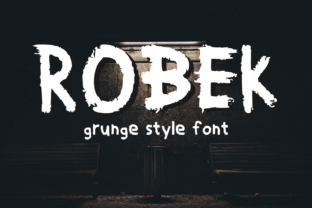
When it comes to typography, the right font can make or break a design. Robek is a grunge-style font that brings an edgy, street-inspired look to any project. Its raw, unpolished aesthetic appeals to those who want to stand out with a unique visual identity. Whether you're designing for a brand, a website, or a creative portfolio, Robek offers a fresh alternative to traditional fonts.
What Makes Robek Unique?
Robek is more than just another typeface—it's a statement. Inspired by the grunge music scene of the 90s, this font carries a rebellious spirit that resonates with modern creators looking for something different. Its design features jagged edges, uneven strokes, and a gritty texture that gives it a distinct character.
One of the key characteristics of Robek is its versatility. While it may appear chaotic at first glance, it has a structured foundation that allows for consistent use across various mediums. The font's irregularity adds visual interest without sacrificing readability in most contexts.
Design Characteristics of Robek
- Edgy and Unconventional: Robek's sharp angles and asymmetrical forms give it a punk rock vibe.
- Street-Inspired: The font draws from graffiti, skate culture, and underground art scenes.
- High Contrast: The thick and thin strokes create a dynamic contrast that enhances legibility.
- Minimalist Structure: Despite its bold appearance, Robek maintains a clean, functional layout.
These features make Robek ideal for projects that require both style and substance. It’s not just about looking cool—it's about making a visual impact.
Where Can Robek Be Used?
Robek is a great choice for a variety of applications, especially when you want to convey attitude, energy, or rebellion. Here are some common use cases:
Branding and Logos
For brands that want to stand out from the crowd, Robek can be a powerful tool. Its distinctive style is perfect for creating logos that reflect a rebellious or alternative image. Think punk bands, fashion labels, or lifestyle brands targeting younger, trend-conscious audiences.
Web Design and Digital Content
In web design, Robek can add a unique flair to headers, call-to-action buttons, and promotional text. However, due to its intricate design, it's best used sparingly. Pairing it with a clean sans-serif font for body text ensures a balanced and readable layout.
Print Media and Art Projects
Whether it's a zine, poster, or album cover, Robek can elevate your print work with its raw, authentic feel. It works well with black-and-white or high-contrast color schemes, making it a favorite among artists and designers who value visual storytelling.
Who Benefits from Using Robek?
Robek is not for everyone. It's best suited for individuals and businesses that want to make a strong visual statement. Here are some groups that may find Robek particularly useful:
- Creative Professionals: Graphic designers, illustrators, and artists looking for a distinctive typeface.
- Entrepreneurs: Business owners who want to differentiate their brand in a competitive market.
- Content Creators: Bloggers, YouTubers, and social media influencers aiming to build a unique visual identity.
- Music and Entertainment Industry: Bands, DJs, and performers seeking a bold, edgy aesthetic.
While Robek is versatile, it's important to consider the context in which it's used. For example, it might not be the best choice for formal documents or corporate branding where professionalism is key.
Strengths and Limitations of Robek
Robek has several strengths that make it a compelling choice for certain projects. Its bold, unconventional style can help a design stand out in a crowded space. Additionally, its high contrast and dynamic form make it visually engaging and memorable.
However, there are also limitations to consider. Due to its irregular structure, Robek may not be the most readable font for long blocks of text. It's also less suitable for small sizes or low-resolution displays, where the fine details can become lost.
Another consideration is the font's limited availability. While Robek is gaining popularity, it may not be included in all font libraries or platforms. Users should ensure they have access to the font before using it in professional settings.
Real-World Applications of Robek
To better understand how Robek can be applied in real-world scenarios, let's look at a few examples:
Example 1: Music Band Logo
A local punk band could use Robek for their logo to reflect their rebellious spirit. The font's edgy style would align perfectly with their brand identity, helping them connect with their target audience.
Example 2: Social Media Profile
A content creator on Instagram or TikTok might use Robek in their profile name or bio to create a unique visual signature. This can help them stand out in a sea of similar profiles.
Example 3: Poster Design
An artist working on a gallery poster might incorporate Robek into the title or tagline to add a sense of urgency and intensity. The font's raw energy complements the overall mood of the artwork.
Evaluating Suitability for Your Project
Before choosing Robek, it's important to evaluate whether it aligns with your project's goals and audience. Consider the following questions:
- Does the font match the tone and message of your project?
- Will it be used in a context where readability is essential?
- Is the font accessible across different platforms and devices?
- Does it support the languages and characters needed for your content?
If the answer to these questions is yes, then Robek could be a great fit. If not, it might be worth exploring other typefaces that better suit your needs.
Conclusion
Robek is more than just a font—it's a statement of individuality and creativity. With its grunge-style design and edgy street-inspired look, it offers a fresh alternative to conventional typography. Whether you're a designer, a business owner, or a content creator, Robek can help you make a lasting impression.
By understanding its strengths, limitations, and appropriate use cases, you can determine if Robek is the right choice for your next project. Embrace the chaos, embrace the edge—because sometimes, the best designs come from the most unexpected places.