The Roseville Font: A Playful Handwritten Script for Creative Design
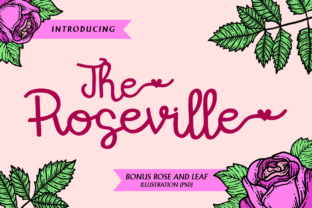
The Roseville is a handwritten script font that brings a touch of elegance and charm to any design project. Inspired by the delicate beauty of roses, this font captures the playful yet refined essence of floral artistry. Whether you're working on a wedding invitation, a social media graphic, or a branding project, The Roseville offers a unique visual identity that stands out while maintaining readability.
For designers and creatives who value both aesthetics and functionality, The Roseville presents an ideal solution. Its handwritten style adds a personal and artistic flair, making it perfect for projects that require a warm, inviting feel. However, like any font choice, there are considerations to keep in mind when selecting and using The Roseville.
Understanding the Needs of Designers and Creators
Designers often face challenges related to font selection—balancing visual appeal with legibility, ensuring consistency across platforms, and meeting brand guidelines. For instance, a designer might be tasked with creating a logo that reflects the natural beauty of a flower, but they need a font that can maintain clarity at smaller sizes or across different mediums.
In such situations, The Roseville can be a valuable tool. Its script style mimics the flow of handwriting, which can evoke a sense of intimacy and authenticity. This makes it particularly well-suited for projects where the goal is to connect emotionally with the audience, such as invitations, greeting cards, or promotional materials.
However, it's important to recognize that not all design projects are suited for a handwritten script. For example, a corporate website may require a more formal and structured font to convey professionalism. In these cases, The Roseville might not be the best fit unless used sparingly or in specific sections of the site.
Practical Applications of The Roseville
The Roseville is versatile enough to be applied in various contexts. Here are some practical examples:
- Wedding Invitations: The romantic and elegant nature of The Roseville makes it an excellent choice for wedding stationery. It can add a personal touch without overshadowing the content.
- Social Media Graphics: With its playful character, The Roseville can enhance Instagram posts, Facebook banners, or TikTok videos, especially those focused on lifestyle, fashion, or floral themes.
- Branding Materials: Small businesses or boutique brands can use The Roseville to create a cohesive visual identity that feels handcrafted and unique.
- Printed Marketing Collateral: Brochures, flyers, and postcards can benefit from the soft, flowing curves of The Roseville, especially when paired with complementary fonts for headings and body text.
When using The Roseville, it's essential to pair it with a contrasting or complementary font for body text. This ensures that the overall design remains readable and visually balanced. For instance, a sans-serif font like Arial or Helvetica can serve as a strong contrast to the ornate script of The Roseville.
Considerations for Effective Use
While The Roseville is a beautiful font, it's not without its limitations. One key consideration is its legibility at smaller sizes. Because it's a script font, it may become difficult to read when scaled down, especially on digital platforms where text is often viewed at varying sizes.
Another important factor is the platform on which the font will be used. Some fonts may not render consistently across different operating systems or browsers. To avoid issues, always test The Roseville in the intended environment before finalizing a design.
Additionally, consider the target audience. If your project is aimed at a younger demographic, The Roseville may resonate more strongly due to its playful and whimsical nature. Conversely, for a more professional or formal setting, a different font may be more appropriate.
How Different Users May Approach The Roseville
Designers with varying levels of experience may approach The Roseville differently. A seasoned designer might integrate it seamlessly into a larger design system, using it strategically to highlight key elements or create visual hierarchy. In contrast, a beginner may use The Roseville as a primary font without fully considering its limitations, leading to potential readability issues.
Regardless of experience level, the key to successful implementation lies in understanding the font's strengths and weaknesses. Experimentation and testing are crucial steps in determining whether The Roseville aligns with the goals of a particular project.
Conclusion
The Roseville is more than just a font—it's a creative tool that can elevate the visual impact of a wide range of design projects. Its inspiration from the rose adds a layer of meaning and beauty, making it a standout choice for those seeking a blend of artistry and functionality.
By understanding the challenges, opportunities, and considerations associated with The Roseville, designers can make informed decisions that enhance their work while maintaining clarity and effectiveness. Whether you're crafting a personal project or a professional design, The Roseville has the potential to bring your vision to life with grace and charm.