What Is Mangotea and Why It Matters
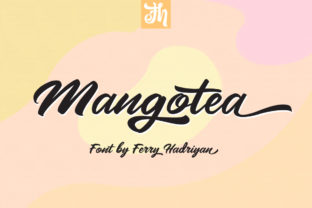
Mangotea is a bold script font that stands out with its exciting character and dynamic visual appeal. Designed for those who want to make a statement, this font combines the elegance of script typography with a modern, energetic feel. Whether you're creating digital content, branding materials, or personal projects, Mangotea offers a unique way to capture attention and convey personality.
Why You Might Be Interested in Mangotea
If you're looking for a font that can elevate your design work with flair and style, Mangotea could be the perfect choice. Its bold strokes and fluid curves make it ideal for headlines, logos, and other eye-catching elements. The font's distinctive character appeals to designers, marketers, and creatives who want to add a touch of sophistication and excitement to their visuals.
One of the main reasons people are drawn to Mangotea is its ability to convey energy and movement. Unlike more traditional fonts, Mangotea feels alive, making it an excellent option for projects that require a sense of motion or urgency. This makes it particularly well-suited for use in areas like social media graphics, event invitations, and promotional materials.
The Benefits of Using Mangotea
There are several advantages to incorporating Mangotea into your design toolkit. First and foremost, it adds a strong visual impact that can help your content stand out in a crowded digital space. The bold, stylized nature of the font ensures that your message is seen and remembered.
Additionally, Mangotea is versatile enough to be used across various platforms and mediums. Whether you're working on a website, a print brochure, or a digital ad, the font maintains its clarity and aesthetic appeal. Its script style also allows for creative customization, enabling users to tailor the look to match their brand identity or project goals.
Another benefit is its emotional resonance. The font's expressive character can evoke feelings of confidence, creativity, and enthusiasm. This makes it especially effective for branding efforts aimed at younger audiences or businesses that want to project a modern, dynamic image.
Considerations and Tradeoffs
While Mangotea has many strengths, it's important to consider its limitations before using it in all contexts. One key consideration is readability. Because it's a script font, it may not be as legible in smaller sizes or when used in long blocks of text. This means it's best suited for short phrases, headings, and decorative elements rather than large body copy.
Another factor to keep in mind is the font's intended use. Mangotea is designed for a specific aesthetic and may not be appropriate for every design scenario. For example, if you're working on a professional document or a formal presentation, a more traditional serif or sans-serif font might be a better fit. However, in creative or promotional contexts, Mangotea can be a powerful tool.
It's also worth noting that the font's bold style may not be suitable for all audiences or industries. While it can create a strong impression, it might come across as too flashy or unprofessional in certain settings. Always consider your target audience and the overall tone of your project before making a final decision.
When Mangotea Shines
Mangotea excels in situations where a bold, expressive visual is needed. It's particularly effective for use in branding, social media content, and marketing materials. For instance, a fashion brand aiming to project a trendy, edgy image might find Mangotea to be an excellent choice for their logo or tagline.
It's also well-suited for event-related designs such as wedding invitations, concert posters, or festival flyers. The font's dynamic character can help create a sense of excitement and anticipation, making it ideal for these types of projects.
Moreover, Mangotea can serve as a standout element in a design layout. When used sparingly and thoughtfully, it can draw attention to key messages without overwhelming the viewer. This makes it a great option for headlines, call-to-action buttons, and other focal points in a design.
When to Consider Alternatives
While Mangotea has its place, there are situations where alternatives may be more appropriate. If your primary goal is readability, especially in longer texts, you might want to explore other font options. Sans-serif or serif fonts often provide greater clarity and are better suited for professional or academic contexts.
Additionally, if you're designing for a more conservative or formal audience, you may want to avoid the bold, stylized nature of Mangotea. In such cases, a more neutral or classic font could help maintain a professional tone while still being visually appealing.
It's also worth considering the compatibility of Mangotea with different platforms and software. While most modern design tools support a wide range of fonts, some older systems or applications may have limited font support. Always test the font in your intended environment to ensure it displays correctly.
Final Thoughts on Choosing Mangotea
Ultimately, whether Mangotea is the right choice for you depends on your specific needs and goals. If you're looking for a font that can add visual interest and personality to your work, Mangotea offers a compelling option. However, it's important to weigh its benefits against its limitations and consider how it aligns with your overall design strategy.
By understanding the strengths and weaknesses of Mangotea, you can make an informed decision about whether it's the right fit for your project. With careful consideration and thoughtful application, this bold script font can become a valuable asset in your design toolkit.