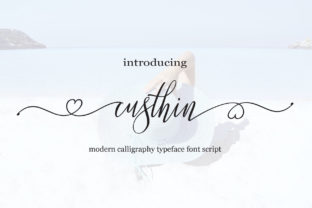
Custhin: A Handwritten Font That Elevates Your Design
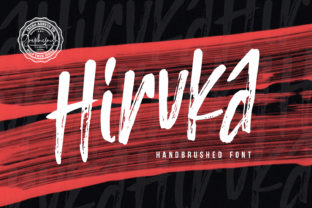
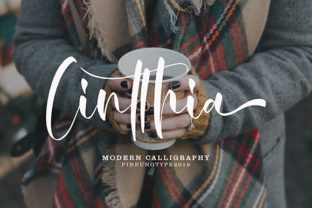
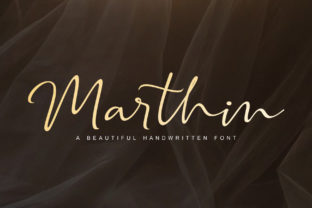
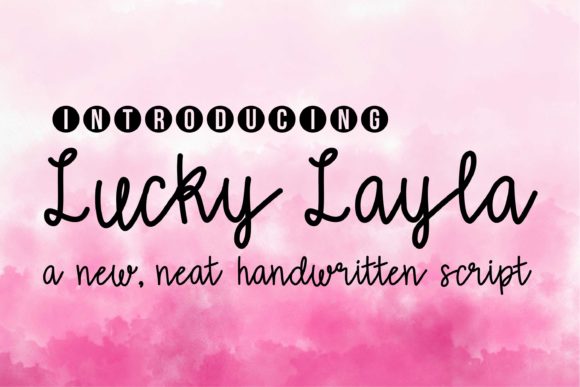
When it comes to typography, the right font can make all the difference. Custhin is a modern handwritten font that brings a playful and elegant touch to any design project. With its unique character shapes and fluid strokes, Custhin stands out as a versatile choice for designers, creators, and content producers looking to add personality and charm to their work.
Why Choose Custhin?
Custhin isn’t just another font—it’s a statement. Its soft, flowing lines and subtle irregularities give it a handcrafted feel that feels both modern and timeless. Whether you're designing a logo, creating social media graphics, or crafting marketing materials, Custhin adds a level of sophistication that can elevate your visual communication.
What sets Custhin apart is its adaptability. It works well in both digital and print formats, making it a reliable option for a wide range of projects. From branding campaigns to personal blogs, this font can help you stand out in a crowded digital landscape.
Common Mistakes When Using Custhin
While Custhin is a great font, there are several common mistakes people make when using it. Understanding these can help you avoid pitfalls and ensure your designs look their best.
- Overusing it without context: Applying Custhin to every element of a design can lead to visual clutter. Use it strategically—perhaps for headings or key text—to maintain balance and readability.
- Ignoring spacing and alignment: Handwritten fonts like Custhin require careful attention to line spacing and letter alignment. Poor spacing can make text difficult to read and reduce the overall aesthetic appeal.
- Failing to test across platforms: While Custhin looks great on screen, it may not render the same way on different devices or browsers. Always preview your design in various environments to ensure consistency.
How These Mistakes Affect Your Work
Mistakes like overuse or poor spacing can have real consequences. For example, if you apply Custhin to a long body of text without proper line spacing, readers may find it hard to follow. This can reduce engagement and diminish the effectiveness of your message.
Similarly, failing to test your design across different platforms can lead to inconsistencies that confuse your audience. In today’s multi-device world, ensuring your font renders correctly everywhere is essential for maintaining brand integrity.
Practical Tips for Using Custhin Effectively
Using Custhin effectively requires more than just selecting the font—it involves thoughtful application. Here are some practical tips to help you get the most out of this beautiful typeface.
- Use it sparingly: Save Custhin for headlines, logos, or key phrases. It's best suited for short text where its personality can shine without overwhelming the reader.
- Pair it with complementary fonts: Combine Custhin with a clean sans-serif or serif font for body text. This creates a balanced and professional look while still allowing Custhin to add character.
- Adjust spacing carefully: Experiment with tracking and leading settings to ensure your text remains readable. Avoid tight spacing that can cause letters to crowd together.
- Test on multiple devices: Before finalizing your design, check how Custhin appears on different screens, including mobile devices. This helps ensure your design looks great everywhere.
Realistic Examples and Better Approaches
Let’s say you’re designing a social media post for a boutique store. Instead of using Custhin for the entire caption, try using it only for the headline or a call-to-action. Pair it with a simple sans-serif font for the rest of the text. This approach maintains readability while still adding a touch of personality.
Another example: If you're creating a brochure for a local event, use Custhin for the title and event name. Then, use a more traditional font for the body text. This contrast makes your design visually engaging and easy to read.
What to Check Before Using Custhin
Before incorporating Custhin into your projects, there are a few things to consider:
- License terms: Ensure you understand the licensing agreement for Custhin. Some fonts are free for personal use but require purchase for commercial projects.
- Font weight and style options: Check if Custhin offers variations like bold, italic, or condensed versions. These can be useful for different design needs.
- Compatibility: Confirm that Custhin works well with your design software and web platforms. Some fonts may not render correctly in certain applications.
By taking these steps, you can ensure that you're using Custhin in a way that aligns with your project goals and technical requirements.
Conclusion
Custhin is a fantastic font that can enhance your design projects with its playful and elegant style. However, like any tool, it requires thoughtful application to achieve the best results. By avoiding common mistakes and following practical guidelines, you can use Custhin to create visually appealing and effective designs that resonate with your audience.