Marthin: A Handwritten Font That Adds Character to Your Design
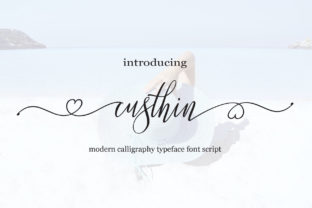
When it comes to typography, the right font can make all the difference. Whether you're designing a logo, crafting a website, or creating social media content, the choice of font plays a crucial role in how your message is received. Enter Marthin, a fun and simple handwritten font that brings an incredibly authentic vibe to any design project. With its casual yet stylish appearance, Marthin is more than just a typeface—it's a way to add personality and warmth to your visual work.
What Makes Marthin Stand Out?
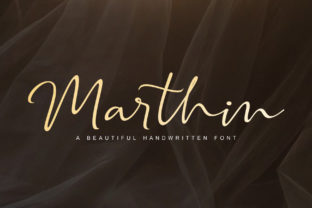
Marthin is designed with simplicity in mind. Its clean lines and natural flow give it a handcrafted feel without the complexity of other handwritten fonts. Unlike many digital fonts that mimic handwriting with excessive variation, Marthin maintains consistency while still feeling organic. This balance makes it versatile enough for both professional and personal use.
The font’s authentic vibe is one of its most appealing features. It’s not overly stylized, which means it can be used across a wide range of applications without losing its charm. Whether you're looking for a friendly tone in a greeting card or a subtle touch of character in a brand identity, Marthin delivers.
Key Characteristics of Marthin
- Simplicity: Marthin avoids unnecessary flourishes, making it easy to read and use in various contexts.
- Handwritten Feel: Despite its clean design, Marthin retains the warmth and personality of a handwritten script.
- Consistency: The font maintains uniformity in letter shapes and spacing, ensuring readability even at smaller sizes.
- Flexibility: It works well in both digital and print formats, adapting seamlessly to different platforms.
Where Can You Use Marthin?
Marthin is ideal for a variety of design projects. Here are some common use cases:
Branding and Logo Design
If you're building a brand or designing a logo, Marthin can help create a unique and memorable identity. Its casual yet professional look makes it suitable for businesses that want to convey approachability and creativity. For example, a boutique coffee shop might use Marthin in their signage or packaging to reflect a friendly and local vibe.
Website and Digital Content
In the world of web design, Marthin can be a great choice for headlines, call-to-action buttons, or social media posts. Its readability and visual appeal make it perfect for content that needs to stand out without being overwhelming. Just be sure to pair it with a more traditional font for body text to maintain legibility.
Print Materials
Whether it's a flyer, poster, or business card, Marthin adds a personal touch to printed materials. Its handwritten style is especially effective for invitations, event announcements, and creative portfolios. Just keep in mind that when using it in print, the quality of the font file matters—always choose high-resolution versions for the best results.
Who Benefits from Using Marthin?
Marthin is a great fit for a wide range of users, including:
- Designers: Looking for a font that balances style and functionality.
- Business Owners: Wanting to create a brand that feels personal and authentic.
- Creatives: Seeking inspiration and versatility in their design choices.
- Content Creators: Needing a font that enhances engagement on social media and websites.
No matter who you are or what you're working on, Marthin offers a fresh and inviting alternative to standard fonts. Its ease of use and adaptability make it a valuable addition to any designer's toolkit.
Strengths and Considerations
While Marthin has many strengths, it's important to consider its limitations as well. One thing to keep in mind is that its handwritten style may not be suitable for all types of content. For instance, if you're creating a formal document or a technical report, a more structured font might be a better choice.
Another consideration is readability. Although Marthin is designed to be clear, its casual appearance can sometimes make it less legible at very small sizes. To ensure optimal readability, always test your designs at different sizes before finalizing them.
Additionally, Marthin may not be the best option for long-form text. Its informal nature makes it more suited for short phrases, headings, and accents rather than entire paragraphs.
Real-World Examples of Marthin in Action
Let’s take a look at a few real-world scenarios where Marthin shines:
Example 1: Social Media Posts
A fitness influencer might use Marthin in their Instagram captions to add a personal touch. The font’s friendly and approachable style helps connect with their audience on a more intimate level.
Example 2: Event Invitations
A wedding planner could use Marthin for custom invitations. Its elegant yet casual look adds a sense of warmth and authenticity to the event's branding.
Example 3: Branding for a Local Business
A small bookstore might incorporate Marthin into their logo and signage. The font’s handcrafted feel aligns perfectly with the store’s cozy and welcoming atmosphere.
Evaluating Suitability for Your Project
Before choosing Marthin, it's important to evaluate whether it aligns with your project's goals. Ask yourself a few key questions:
- Does the font match the tone and personality of your brand or message?
- Will it be readable in the context where it will be used?
- Is there a need for more structured or formal typography elsewhere in the design?
If the answer to these questions is yes, then Marthin is likely a great choice for you. However, if your project requires a more professional or technical appearance, you may want to explore other options.
Conclusion
Marthin is a versatile and charming font that brings a unique personality to any design project. Its simplicity, readability, and authentic feel make it a valuable tool for designers, creators, and business owners alike. Whether you're working on a personal project or a professional brand, Marthin can help you stand out in a meaningful way.
Remember, the key to successful typography is understanding your audience and choosing the right font for the right purpose. With Marthin, you’re not just adding a font—you're adding a voice, a style, and a story to your design.